Five Minutes That Change Everything
Pull one card every morning. That’s it. That’s the practice.
It sounds too simple to be meaningful, but consistency is where tarot’s real power lives. A single reading might feel insightful. A month of daily readings starts to reveal patterns you couldn’t see any other way.
Cards that keep showing up. Themes that echo what’s happening in your life. Moments where the card you draw is so perfectly timed it stops you mid-shuffle.

- A daily tarot practice is one card pulled each morning, taking under five minutes. The constraint of a single card forces deeper reflection rather than wider spread interpretation, and consistency is what generates meaningful pattern recognition over time.
- The first month of daily pulls follows a predictable arc. Week 1 feels like guessing, Week 2 brings card recognition without checking meanings, Week 3 surfaces a recurring card, and by Week 4 missing a pull feels like missing a habit.
- Journaling transforms isolated pulls into a body of self-knowledge. A minimal journal of date, card drawn, one line of meaning, and optional evening reflection lets readers spot themes invisible in the moment when reviewed monthly.
- A recurring card signals an unlearned lesson. When a card such as the Eight of Cups or Strength keeps appearing more than statistics suggest, it indicates the deck is repeating a message the reader has not yet integrated.
- The structure of the practice is flexible but the consistency is not. Specific shuffling techniques, decks, ritual elements, and reversal use are all optional, but daily showing up is what makes the practice work.
Why Daily Pulls Work
Tarot isn’t fortune-telling. It’s a framework for paying attention.
When you pull a card each morning, you’re starting your day with a moment of intentional reflection. The card gives you a lens to look through. The Hermit on a busy Monday might remind you to carve out quiet time. The Ace of Wands before a big meeting might tell you to trust your creative instincts.
Over time, you’re not just learning tarot. You’re building a habit of self-awareness. And the cards become a language for understanding your own patterns.
How to Start
Pick a consistent time. Morning works best because the card can frame your whole day. But any time you can show up consistently works.
Create a small ritual. It doesn’t need to be elaborate. Hold your deck. Take three breaths. Think about what’s ahead today, or what’s been weighing on you. Then draw.
Pull one card. Resist the urge to draw more. One card is enough. The constraint forces you to go deeper rather than wider.
Sit with it for 30 seconds. Look at the image. Notice what stands out. How does the card make you feel? What’s your gut reaction before you read any meaning?
Journal two lines. Write the card name and one sentence about what it means to you today. That’s all. You’ll come back to these notes later and they’ll be invaluable.
What to Expect in Your First Month
Week 1: You’ll feel like you’re guessing. That’s normal. You’re building a vocabulary.
Week 2: You’ll start recognizing cards without checking meanings. Certain cards will feel familiar. You’ll have your first moment of “that’s exactly what I needed to hear.”
Week 3: You’ll notice a card repeating. Maybe The Two of Swords keeps appearing. That’s not random. Something in your life is asking for a decision.
Week 4: You’ll forget to pull one morning and feel like something is missing. Congratulations. You have a practice.
The Role of Journaling
The journal is what turns individual readings into a body of knowledge. Without it, each pull exists in isolation. With it, you can look back and see the thread.
Keep it simple:
- Date
- Card drawn
- One line: what it meant to you that day
- Optional: what actually happened (fill this in at night)
After a month, read through your journal. You’ll see themes that you were too close to notice in the moment.
Recurring Cards
This is the thing daily practitioners notice first: certain cards will show up more than statistics suggest they should. Pay attention to these.
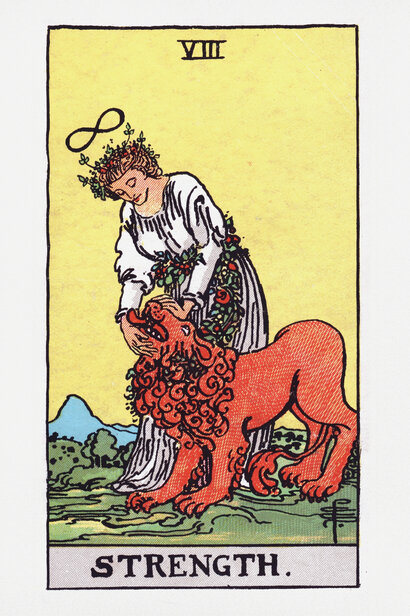
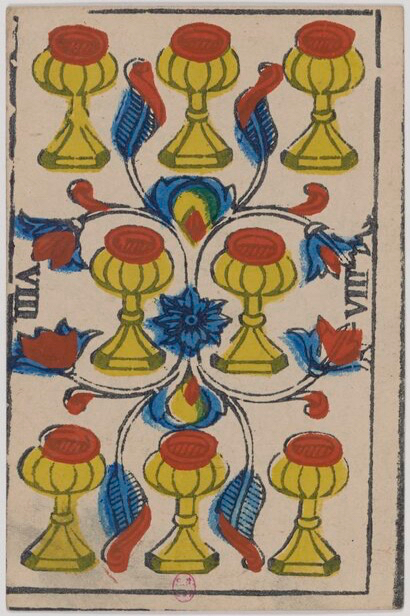
A recurring card is the deck’s way of saying “you haven’t gotten this yet.” Maybe The Eight of Cups keeps appearing because there’s something in your life you need to walk away from but haven’t. Maybe Strength keeps showing up because you’re underestimating your own resilience.
When a card recurs, journal about it specifically. What is this card trying to tell you that you’re not hearing?
Your Practice Is Yours
There’s no right way to do this. Some people shuffle elaborately. Some just cut the deck. Some people read reversed cards. Some don’t. Some use a specific deck. Some rotate between several.
The only thing that matters is that you show up. One card. Every day. The practice takes care of the rest.