You Don’t Need to Memorize 78 Cards
That’s the first thing every beginner needs to hear. You don’t need to memorize anything to start reading tarot. The cards are a tool for reflection, and your interpretation matters more than any textbook definition.
Tarot has been used for centuries as a system for self-understanding. At its core, a tarot reading is a conversation between you and the cards. You bring the question. The cards offer a mirror.
- A standard tarot deck contains 78 cards split into 22 Major Arcana and 56 Minor Arcana. The Major Arcana represents life's major themes and turning points, while the Minor Arcana, divided into four suits, reflects daily life, emotions, challenges, and actions.
- The four Minor Arcana suits each cover a distinct domain. Cups represent emotions and relationships, Wands represent passion and ambition, Swords represent thoughts and conflict, and Pentacles represent money, work, and material security; each suit runs Ace through 10 plus four court cards.
- A first reading requires only a quiet moment, the deck, and a single card pull. The recommended six-step beginner process is: find a quiet moment, hold the deck and consider the question, shuffle, draw one card, study the image, and then check meanings if needed.
- Memorization is not required to start reading tarot. Daily one-card pulls teach the 78 cards naturally over weeks and months, and a month of daily pulls is described as more effective than a week of flashcard study.
- Common beginner mistakes include yes/no questions and fear of "scary" cards. Cards like Death and The Tower do not signify literal disaster but mark areas of growth and transformation, and open-ended questions yield more useful readings.
What’s in a Tarot Deck?
A standard tarot deck contains 78 cards, divided into two groups:
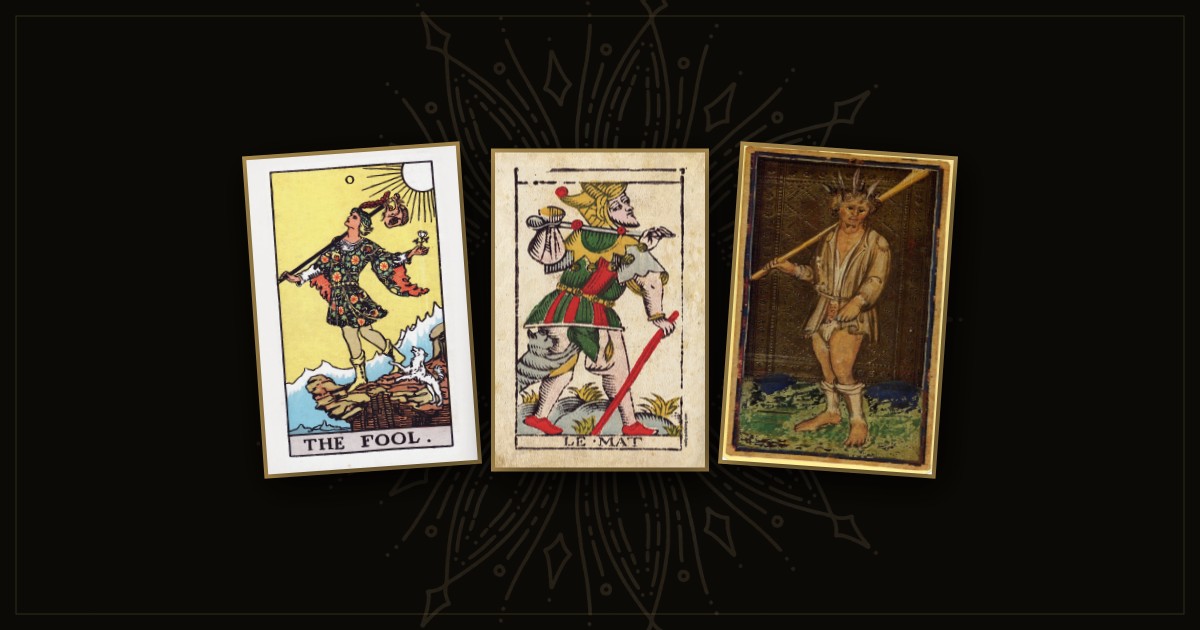
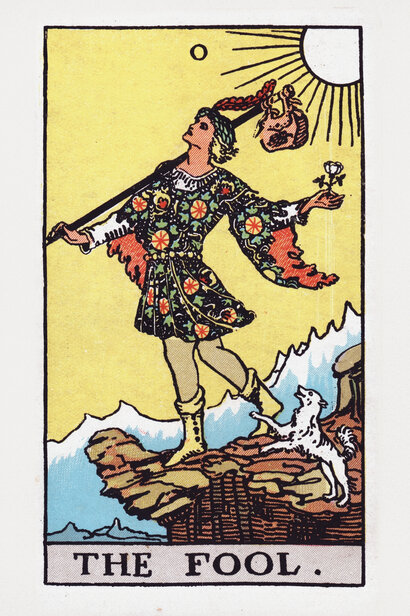
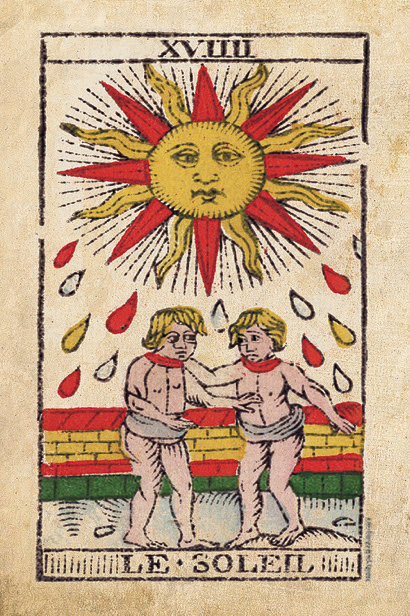
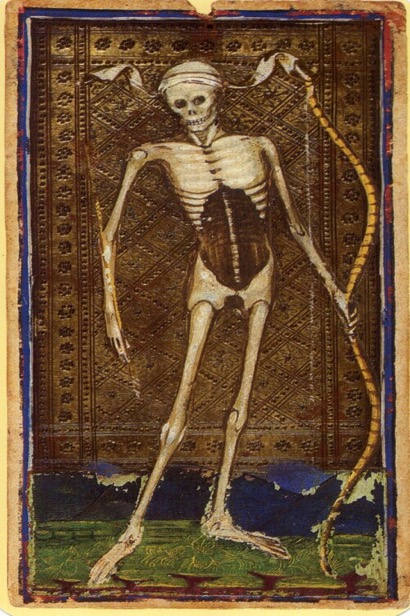
The Major Arcana (22 cards) represent life’s big themes and turning points. These are the cards most people recognize: The Fool, The Tower, Death, The Sun. When a Major Arcana card appears in your reading, pay attention. It’s pointing to something significant.
The Minor Arcana (56 cards) reflect daily life, emotions, challenges, and actions. They’re divided into four suits:
- Cups — emotions, relationships, intuition
- Wands — passion, creativity, ambition
- Swords — thoughts, communication, conflict
- Pentacles — money, work, material security
Each suit runs from Ace through 10, plus four court cards (Page, Knight, Queen, King).
How to Do Your First Reading
You don’t need a special cloth, candles, or a full moon. Here’s all you need:
- Find a quiet moment. Even five minutes works.
- Hold your deck and think about what’s on your mind. It doesn’t have to be a specific question. “What do I need to know today?” is perfect.
- Shuffle however feels natural. There’s no wrong way.
- Draw one card. Just one. That’s your reading.
- Look at the image first. What do you notice? What feeling does it give you? Your gut reaction is part of the reading.
- Read the meaning. Check the card meanings if you want context, but trust what you felt first.
That’s it. You just did a tarot reading.
The One-Card Daily Pull
The single most effective way to learn tarot is to pull one card every morning. Over time, you’ll start recognizing cards like old friends. You’ll notice patterns. You’ll develop your own relationship with the deck.
This is exactly what The Cards Know is built for. One card a day. A reading that responds to where you are in your life. A journal to track what comes up.
Common Beginner Mistakes
Asking yes/no questions. Tarot works better with open-ended questions. Instead of “Will I get the job?” try “What do I need to know about this opportunity?”
Being afraid of ‘scary’ cards. Death doesn’t mean death. The Tower doesn’t mean disaster. Every card has nuance. The “difficult” cards are often the most useful because they point to where growth is happening.
Trying to learn everything at once. Start with one card a day. Let the meanings sink in naturally. You’ll learn more in a month of daily pulls than in a week of studying flashcards.
Building a Practice
Tarot is most powerful when it becomes a habit. A daily one-card pull takes less than five minutes, but over weeks and months, it becomes a practice of self-awareness. You start noticing themes. Recurring cards. Patterns in your life that you couldn’t see before.
The best time to start is today. Draw one card. See what it says. That’s the practice.