From Self-Reading to Reading for Others
You have been reading for yourself for a while now. Your daily practice is solid. You know your deck. You trust your interpretations. And now someone has asked: “Can you read my cards?”
Reading for others is a different experience entirely. When you read for yourself, you have complete context. You know your own life, your own worries, your own patterns. Reading for someone else means entering a conversation where you are working with less information and more responsibility.
It is also one of the most rewarding things you can do with tarot. Here is how to do it well.
- Reading for others requires asking about expectations before starting. Questions like "What are you hoping to get from this reading?" let the reader calibrate between deep emotional insight, practical guidance, or casual exploration.
- The querent should shuffle the deck themselves. Letting the person being read for shuffle makes them an active participant and reframes the reading as for them rather than to them.
- The core skill is reading the card, not the person. Effective phrasing offers possible interpretations like "this card often represents withdrawal," letting the querent connect it to their life, rather than imposing statements like "you are clearly isolating yourself."
- Ethical boundaries prohibit diagnosing, answering health or legal questions, and reading for absent third parties. Questions like "Will I get better?" or "Does he love me?" should be redirected to what the querent can control or feel about the situation.
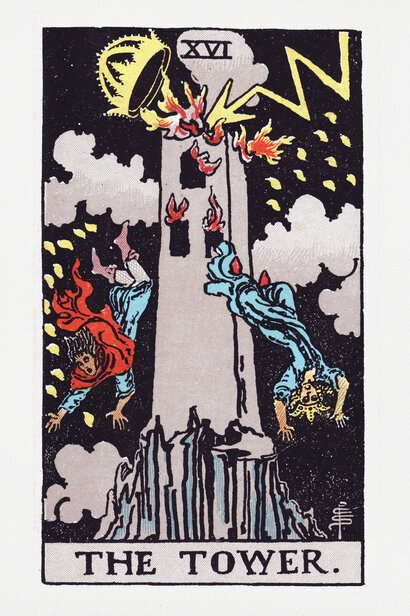
- Difficult cards must be reframed honestly, not sugarcoated. Death is presented as transformation and necessary endings, The Tower as sudden disruption that often clears unhealthy structures, with context provided rather than dismissal.
Before the Reading
Set the Space
You do not need candles and incense, though they are nice. What you need is:
- A quiet space where you will not be interrupted
- A clean surface for the cards
- Enough time that neither of you feels rushed
Turn phones to silent. Close the laptop. The person sitting across from you deserves your full attention.
Ask About Their Expectations
Before you start, ask: “What are you hoping to get from this reading?” Some people want deep emotional insight. Some want practical guidance. Some just want to try it and see what happens.
Knowing their expectations helps you calibrate. A person in crisis needs a different kind of reading than a person who is casually curious.
Clarify What Tarot Is (and Is Not)
Especially for people new to tarot, a brief framing helps:
“I am not predicting the future. The cards are a tool for reflection. They show patterns, possibilities, and perspectives. Everything that comes up is meant to help you think more clearly about your situation.”
This sets realistic expectations and prevents the “but you said it would happen” conversation later.

During the Reading
Let Them Shuffle
Hand them the deck and let them shuffle. This is not about transferring energy (though some readers believe it is). It is about making them an active participant rather than a passive recipient. The reading is for them, not to them.
Ask Open-Ended Questions
If they have not offered a specific question, prompt gently:
- “Is there an area of life you are thinking about right now?”
- “Is there a decision you are weighing?”
- “Would you like a general reading about what is present for you?”
Read the Card, Not the Person
This is the most important skill. Describe what you see in the card. Offer possible interpretations. Then let them connect it to their life.
Do this: “This card often represents a period of withdrawal or introspection. Something in your life might be asking you to step back and reflect.”
Not this: “You are clearly isolating yourself and avoiding your problems.”
The first invites them to find their own meaning. The second imposes your interpretation on their life. You do not know their life. The cards do not know their life. Only they do.
Watch Their Reactions
As you speak, notice their body language. When something resonates, you will see it: a nod, a sharp inhale, eyes widening, a quiet “yes.” Those moments are your compass. Follow them.
When something does not land, do not force it. Say, “This might not be relevant right now, and that is fine. Let us keep going.”
Sit with Silence
After laying out a spread, give them a moment to just look at the cards before you start interpreting. Their initial reaction to the images is valuable. Ask: “What do you notice? What catches your eye?”
This also takes pressure off you. They start the interpretation process themselves, and your role becomes guiding and deepening, not performing.

Difficult Cards and Difficult Messages
When Scary Cards Appear
The Tower. Death. The Ten of Swords. These cards look alarming, especially to someone unfamiliar with tarot.
Your job is to reframe without dishonesty:
“Death is not about literal death. It represents transformation. Something in your life is ending so something new can begin. It can feel intense, but it is a card of necessary change.”
“The Tower represents sudden disruption. It can feel chaotic, but it often clears away something that was not serving you.”
Never sugarcoat, but always contextualize.
When the Reading Hits a Nerve
Sometimes a card will trigger an emotional response. Tears are not uncommon. If this happens:
- Pause. Do not keep talking.
- Say something simple: “Take your time.”
- Do not try to fix their emotions. Hold space.
- When they are ready, ask if they want to continue or stop.
You are not a therapist. You do not need to process their emotions. You just need to be present and kind.
When You Do Not Know What a Card Means
It will happen. You will draw a card and go blank. This is normal and it is not a failure.
Options:
- Be honest: “I am not sure what this card is saying in this position. Let me sit with it for a moment.”
- Ask them: “What does this image bring up for you?”
- Return to basics: state the card’s general meaning and let them apply it.
Nobody expects perfection. Authenticity matters more than expertise.
Ethics and Boundaries
Never Diagnose
Do not tell someone they are depressed, sick, or in danger. Even if The Nine of Swords suggests anxiety, your role is to reflect, not diagnose.
Health and Legal Questions
“Will I get better?” “Will I win the lawsuit?” Do not answer these. You are not a doctor or a lawyer. Redirect: “That is beyond what tarot can address. But we can explore how you are feeling about the situation.”
Third-Party Questions
“Does he love me?” “What is she thinking?” These are tempting to answer but ethically murky. You cannot read for someone who is not present. Redirect to what the querent can control: “Let us look at what is happening in this relationship from your perspective.”
Confidentiality
Whatever comes up in a reading stays in the reading. Do not discuss someone’s reading with others. This should be obvious, but it is worth stating.
After the Reading
Let Them Reflect
Do not rush the ending. Ask: “How are you feeling? Is there anything you want to revisit?”
Avoid Prescriptions
“You should leave him” or “You need to quit your job” are not appropriate closing statements. The reading offers perspective. The choices belong to them.
Suggest Next Steps Gently
“If this resonated, you might find it helpful to sit with The Hermit’s message this week and see what comes up.”
Practice Makes Better
You will not be great at reading for others the first time. Or the fifth time. That is fine. Every reading teaches you something about listening, interpreting, and holding space.
Start with friends who are open and patient. Ask for honest feedback. Notice what works and what does not.
The Cards Know can be part of your learning process. Use the app for your own daily readings to deepen your card knowledge, so when you sit across from someone else, you have a rich personal relationship with every card in the deck.