Tarot Is Not Fortune-Telling. It Is a Mirror.
Somewhere along the way, tarot got tangled up with fortune-telling. Crystal balls, dark curtains, someone telling you what will happen next Tuesday. That is not what tarot is, and it is certainly not why so many people are returning to it now.
Tarot is a self-care practice. It is a way to check in with yourself. To pause the noise, pull a card, and ask: what do I need to see right now?
That is it. No mysticism required. Just you, a deck, and a few minutes of honest reflection.
- A complete daily tarot ritual takes five minutes across five steps. Three deep breaths for stillness, a soft intention, drawing one card, sitting with the image before consulting a guidebook, and writing one reflective sentence.
- Tarot solves a problem most self-care advice does not address. Practices like journaling and meditation require already knowing what you feel, while a drawn card names the feeling first and gives the practitioner something concrete to respond to.
- Open-ended morning intentions outperform specific questions. Prompts like "What do I need to know today?" or "Where should I place my attention?" let cards reveal what matters rather than confirming existing assumptions.
- Four expanded self-care spreads extend beyond the daily pull. A weekly Sunday three-card check-in, a full moon release card, a new moon intention card, and a four-card seasonal reflection covering mind, body, heart, and spirit.
- Tarot complements therapy by filling daily gaps. Therapy typically happens weekly and helps identify patterns, while a daily tarot practice helps notice those patterns in real time between sessions.
Why Tarot Works as Self-Care
Most self-care advice tells you to journal, meditate, go for walks, drink water. All good things. But they share a common problem: they require you to already know what you are feeling.
Tarot gives you a starting point.
When you draw The Hermit, you do not need to already know that you are craving solitude. The card names it for you. When The Tower appears, you do not need to have articulated that something in your life is crumbling. The card holds up the mirror.
This is why tarot works especially well for people who struggle with traditional journaling or meditation. The cards give you something to respond to, rather than asking you to generate insight from nothing.
Building Your Daily Tarot Ritual
A daily tarot ritual does not need to be elaborate. In fact, the simpler it is, the more likely you are to keep doing it. Here is a framework that takes five minutes:
Step 1: Create a Moment of Stillness
Before you touch your deck, take three deep breaths. This is not meditation. It is just a signal to your nervous system that you are shifting from doing mode to being mode.
Some readers light a candle. Others make a cup of tea. The specific ritual does not matter. What matters is the transition: you are moving from the noise of your day into a quieter space.
Step 2: Set a Soft Intention
You do not need a burning question. A soft intention works just as well:
- “What do I need to know today?”
- “What energy is present for me right now?”
- “Where should I place my attention?”
These open-ended prompts invite the cards to show you what matters, rather than asking them to confirm what you already think.
Step 3: Draw One Card
Just one. A daily one-card pull is the foundation of a sustainable tarot practice. Shuffle however feels natural, and draw when you feel ready.
Step 4: Sit with the Card
Look at the image before reaching for a guidebook. What do you notice? What feelings arise? What story does the image tell you?
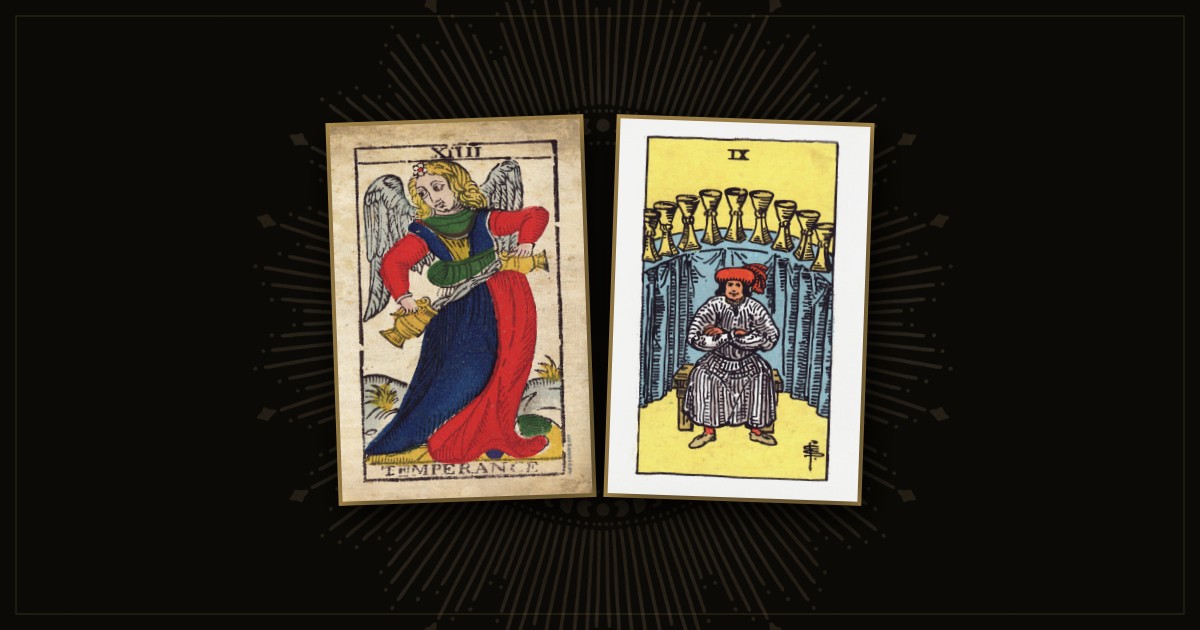
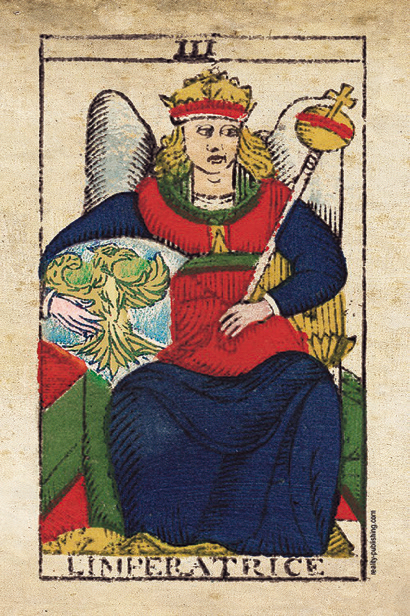
Temperance might remind you to find balance today. The Empress might be asking you to nurture something. The Five of Cups might be acknowledging a grief you have been carrying.
Let the card speak to you first. Then, if you want, look up its traditional meaning to add another layer.
Step 5: Write One Sentence
You do not need to journal for twenty minutes. One sentence is enough:
- “I drew The Star. I think I needed to be reminded that hope is still here.”
- “Eight of Swords. I am feeling trapped but the card shows the bindings are loose.”
- “Ace of Wands. Something new is trying to start.”
One sentence. That is your entire journal practice. Over weeks and months, those single sentences become a map of your inner life.

When to Do Your Daily Pull
The best time is whenever you will actually do it. That said, most readers find that morning works best. A card drawn at the start of the day becomes a lens for everything that follows.
Drew The Chariot this morning? You might notice moments throughout the day where determination is called for. Drew The Moon? You might catch yourself making assumptions based on incomplete information.
The card does not predict your day. It shapes your awareness of it.
Some readers prefer evening pulls as a way to reflect on the day that happened. This works well paired with a slightly different question: “What did today teach me?” or “What am I carrying that I can put down?”
Tarot Self-Care Practices Beyond the Daily Pull
Once your daily ritual is established, you can expand:
Weekly check-in spread. Every Sunday, draw three cards: what to release, what to nurture, what to welcome. This becomes your weekly compass.
Full moon release. On the full moon, draw a card asking: “What am I ready to let go of?” Write it down and consciously release it.
New moon intention. On the new moon, draw a card asking: “What is trying to emerge?” Set an intention based on what comes up.
Seasonal reflection. At the start of each season, draw four cards: mind, body, heart, spirit. See where each area stands and what needs attention.
What Makes This Different from Therapy
Tarot is not therapy and should not replace professional mental health support. But it serves a complementary role that therapy often does not fill: daily, ongoing, self-directed check-ins.
Therapy happens once a week or less. Life happens every day. Tarot fills the space between sessions with a simple practice of awareness.
Think of it like this: therapy helps you understand your patterns. Tarot helps you notice them in real time.
The Compound Effect of Daily Practice
The magic of a daily tarot ritual is not in any single reading. It is in the accumulation.
After a week, you start noticing which cards show up most. After a month, you see patterns in your intentions and reflections. After three months, you have a record of your inner life that no app, journal, or therapist could replicate, because it was built one card at a time, in your own words.
This is what The Cards Know is built for. A daily practice that meets you where you are, tracks your patterns, and gives you readings that feel personal. One card a day. That is all it takes.