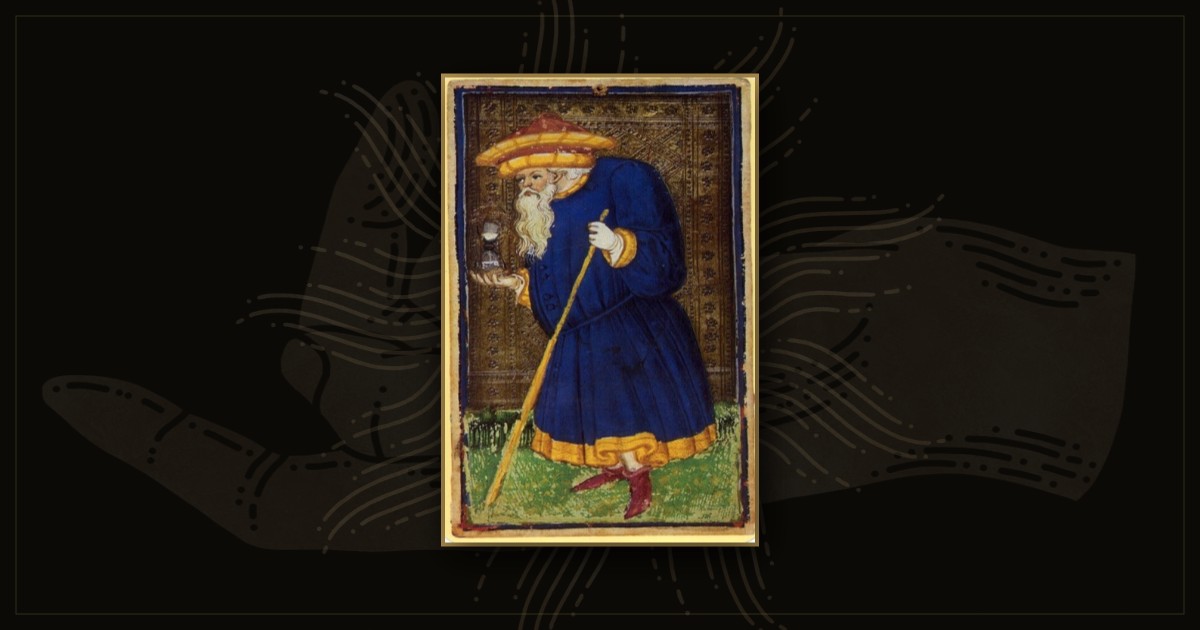
The Secret Tool of Experienced Readers
Ask any experienced tarot reader what changed their practice the most, and most will say the same thing: keeping a journal.
A single reading gives you a moment of insight. A journal turns months of readings into a map of your inner world. Patterns emerge. Recurring cards become meaningful. You start to see the threads connecting seemingly random draws into a coherent story.
- A minimum tarot journal entry takes 60 seconds and records four items. Date, card drawn (and position if part of a spread), the question or intention, and a one or two sentence gut reaction.
- Four journal formats accommodate different preferences. A dedicated notebook for tactile privacy, a spreadsheet for searchable pattern analysis, a digital app for integrated reading context, and a photo journal album for visual scrolling.
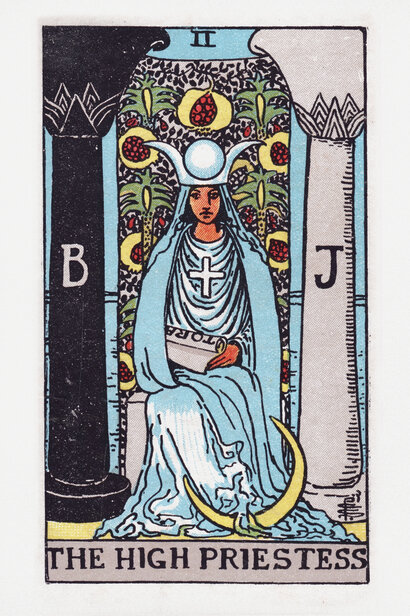
- Monthly journal review reveals four types of patterns. Recurring cards (such as The High Priestess appearing four times), suit-dominant months indicating mental or emotional periods, emotional shifts across the month, and predictions that landed accurately.
- Difficult cards like The Tower, Death, and Ten of Swords warrant deeper journaling. Recording the felt reaction, what it points to in life, and what would need to be released often shows weeks later that the "scary" card pointed to needed transformation.
- The journal, not the cards, is what separates casual interest from genuine practice. Individual entries are mildly useful, but a year of them documents growth, recurring patterns, and blind spots in a way single readings cannot.
What to Record
Keep it simple. The moment journaling feels like homework, you’ll stop doing it. Here’s the minimum:
- Date
- Card drawn (and position, if using a spread)
- Your question or intention
- Your gut reaction — one or two sentences about what you felt when you saw the card
That’s it. That takes 60 seconds. You can always add more, but those four things are the foundation.
Optional Additions
As your practice grows, you might add:
- The card’s “textbook” meaning — helpful while you’re learning
- How the card relates to your day — fill this in at night
- Connections to previous readings — “I pulled The Hermit again, third time this week”
- A sketch of the card — even a rough one deepens your memory of it
- Moon phase or astrological transits — if you’re into astrology-tarot connections
- Emotional state before the pull — were you anxious, calm, hopeful?
Formats That Work
The Notebook Method. A dedicated notebook. Write the date, card, and notes. Simple, tactile, and private. Moleskine, cheap spiral, fancy leather — doesn’t matter.
The Spreadsheet. Date in column A, card in column B, question in column C, notes in column D. Easy to search and sort. Great for spotting patterns computationally (how many times did Death show up in March?).
The Digital App. The Cards Know has a built-in journal that connects your reflections directly to your readings. Your notes become part of the context that shapes future readings, creating a feedback loop between your journaling and the app’s understanding of your patterns.
The Photo Journal. Take a photo of your card(s) each day. Add it to a dedicated album on your phone with a caption. Highly visual, easy to scroll back through.
How to Review Your Journal
The journal’s power isn’t in writing. It’s in re-reading. Set a monthly reminder to look back at the past 30 days.
Look for recurring cards. If The High Priestess showed up four times last month, that’s not random. Your intuition is trying to tell you something. What were you asking about each time?
Look for suit patterns. A month dominated by Swords suggests you’ve been in your head. A month of Cups means emotional processing has been front and center.
Look for emotional shifts. Early in the month you were anxious (Nine of Swords). By the end you felt grounded (Four of Pentacles). The cards were tracking your transformation in real time.
Look for predictions that landed. This is the spooky part. You’ll find entries where the card was eerily accurate for what happened that day or week. Noting these builds trust in your practice.

Journaling Through Difficult Cards
When you pull The Tower, Death, The Devil, or The Ten of Swords, the journaling becomes especially important. These cards provoke strong reactions, and your reaction is data.
Write down:
- What you felt (fear, resistance, recognition, relief?)
- What in your life this might be pointing to
- What you’d need to let go of for this card’s lesson to land
Coming back to these entries weeks later often reveals that the “scary” card was pointing to exactly the transformation you needed.
The Compound Effect
Individual journal entries are mildly useful. A year of them is transformative. You’ll have documented your own growth, your recurring patterns, your blind spots, and the moments where the cards saw what was coming before you did.
This is what separates casual tarot interest from a genuine practice. The journal is the practice. The cards are just the prompt.
Start today. Pull a card. Write four lines. Do it again tomorrow.