Two Tools, Different Languages
Walk into any metaphysical shop and you will see two types of card decks side by side: tarot and oracle. They look similar. They are both used for guidance and self-reflection. But they work in fundamentally different ways.
Understanding the difference helps you choose the right tool for your practice, or decide if you want both.
- Every tarot deck contains 78 cards split into 22 Major Arcana and 56 Minor Arcana across four suits. This fixed structure means meanings transfer across decks — The Tower means The Tower in any tarot deck.
- Oracle decks have no standardized structure and vary in card count, themes, and meanings by creator. A deck might have 36 or 64 cards, and each is its own self-contained system requiring its own guidebook.
- Tarot has a steeper learning curve but supports layered, nuanced readings. Card meanings shift based on position, surrounding cards, and reversals, while oracle cards typically deliver a single direct message per card.
- Tarot knowledge transfers between decks; oracle knowledge does not. Learning one tarot deck lets you read any tarot deck, but switching oracle decks means learning an entirely new system.
- Tarot's 78 cards generate thousands of combinations, while oracle decks have a built-in ceiling. This makes tarot a practice that deepens over years rather than weeks, where oracle decks may feel limiting once their messages are internalized.
What Makes Tarot Tarot
Every tarot deck follows the same structure. There are 78 cards divided into two groups:
- The Major Arcana: 22 cards representing major life themes and spiritual lessons (The Fool through The World)
- The Minor Arcana: 56 cards across four suits (Wands, Cups, Swords, Pentacles) representing everyday situations
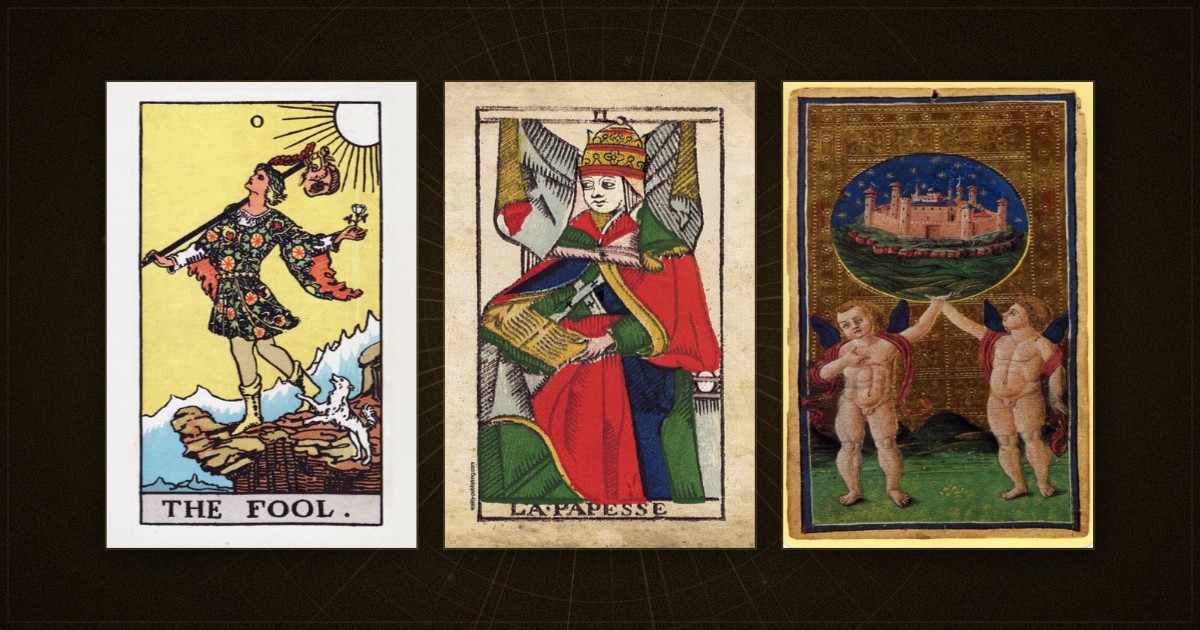
This structure is not arbitrary. It has been refined over centuries, and it means that every tarot deck speaks the same symbolic language. The imagery may differ between a Rider-Waite deck and a Marseille deck, but the meaning of The Tower is The Tower in every tarot deck you pick up.
This standardization is what makes tarot learnable. You study 78 meanings once and you can read with any tarot deck.
What Makes Oracle Cards Different
Oracle decks have no fixed structure. A deck might have 36 cards or 64 or any other number. The themes, suits (if any), and meanings are entirely up to the deck creator.
Some oracle decks focus on angels. Others on animals, moon phases, affirmations, or specific spiritual traditions. Each deck is its own self-contained system with its own guidebook.
This freedom means oracle decks can be incredibly specific and personal. It also means you cannot transfer your knowledge from one oracle deck to another the way you can with tarot.
A Direct Comparison
Structure:
- Tarot: Fixed 78-card structure, consistent across all decks
- Oracle: No standard structure, varies completely by deck
Learning curve:
- Tarot: Steeper. You are learning a symbolic language with centuries of depth
- Oracle: Gentler. Most cards have their meaning printed on the face or in a guidebook
Reading style:
- Tarot: Layered and nuanced. Card meanings shift based on position, surrounding cards, and the question
- Oracle: More direct. Cards tend to deliver a single clear message
Depth:
- Tarot: Deep. Card combinations, reversals, numerological patterns, and elemental dignities add complexity
- Oracle: Broad. Each card delivers a complete message without requiring surrounding context
Consistency:
- Tarot: You can read with any deck because the system is universal
- Oracle: Each deck is its own world. Switching decks means learning a new system
When to Use Tarot
Tarot excels when you need:
- Nuanced answers. Tarot does not give simple yes-or-no responses (though you can try). It shows layers, tensions, and possibilities.
- Pattern recognition. Because the system is consistent, you can track themes across readings over time. Seeing the Nine of Swords three days in a row tells you something.
- A structured framework. Tarot’s architecture mirrors life: the Major Arcana for big lessons, the suits for different domains (emotion, thought, action, material world).
- Deep self-reflection. The cards push you to think, not just feel. They ask questions back.
When to Use Oracle Cards
Oracle cards excel when you need:
- Immediate clarity. No interpretation required. The card says what it means.
- Gentle encouragement. Many oracle decks are designed to comfort and affirm rather than challenge.
- Thematic focus. If you want guidance specifically about lunar energy or animal spirits, there is an oracle deck for that.
- Accessibility. Oracle cards are easier to start with if you have never worked with any kind of card practice.
Can You Use Both?
Absolutely. Many readers use tarot for their primary practice and pull an oracle card as a supplementary message. Some use oracle cards for quick daily check-ins and tarot for deeper weekly readings.
There is no rule against mixing tools. The question is whether a given tool serves what you are trying to do in this moment.
The Case for Starting with Tarot
If you are new to card-based practices and deciding where to begin, tarot offers a significant advantage: it grows with you.
Oracle cards often feel perfect at first but limiting later, because each deck has a ceiling. Once you have internalized its 40 or 50 messages, the insights start repeating.
Tarot’s 78 cards interact in combinations that number in the thousands. You can study tarot for years and still find new layers. The system rewards depth in a way that oracle cards, by design, do not.
Starting with tarot also means building a skill that transfers. Learn to read one tarot deck and you can read them all. The Cards Know builds this foundation through daily readings that deepen your relationship with the cards over time, one pull at a time.
The Bottom Line
Oracle cards give you answers. Tarot teaches you to find your own.
Neither is better. They serve different needs. But if you want a practice that deepens over years rather than weeks, tarot is the place to start.