Why Three Cards?
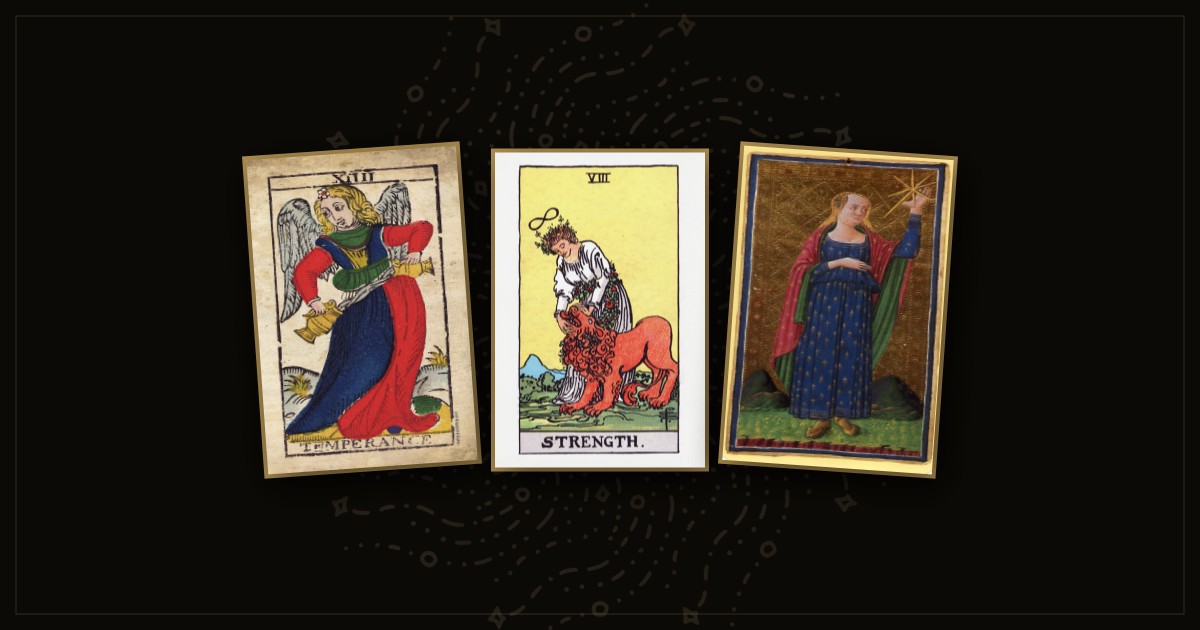
A single card gives you a snapshot. Three cards give you a story. The three-card spread is the most widely used layout in tarot because it’s simple enough for beginners and deep enough for experienced readers.
The positions are straightforward:
- Past — what has led you here
- Present — where you stand right now
- Future — where things are heading
Together, they reveal the arc of your situation. You see not just where you are, but how you got here and where the energy is moving.
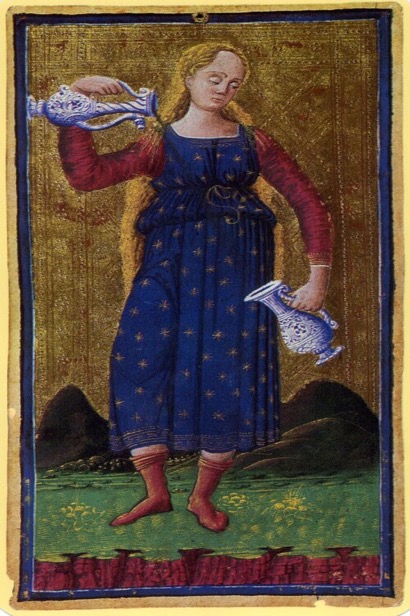
- The classic three-card spread reads left to right as Past, Present, and Future. Past reveals what led here, Present shows the current energy, and Future indicates where the trajectory is moving.
- The same three-card structure adapts to many question types. Variations include Situation/Challenge/Advice, Mind/Body/Spirit, You/The Other Person/The Relationship, Option A/Option B/What You Need to Know, and What to Keep/Release/Embrace.
- The real insight comes from reading the three cards as one narrative. Patterns to notice include all-one-suit dominance, Major Arcana in the future position signaling significant change, and a difficult past card paired with a positive present card indicating the hardest part is over.
- Re-drawing after a disliked answer undermines the practice. The pulled cards are the cards needed, and sitting with discomfort is where insight lives rather than redrawing for a preferable result.
- The card that draws the eye first often holds the key. Even when reading left to right, one card naturally grabs attention and frequently unlocks the meaning of the entire spread.
How to Do a Three-Card Reading
- Set your intention. What area of your life are you exploring? Love, work, a decision, your growth? You can also keep it open.
- Shuffle your deck while holding that intention in mind.
- Draw three cards and lay them left to right.
- Read the past card first. What foundation or event is influencing your present?
- Read the present card. What energy surrounds you right now?
- Read the future card. Where is this trajectory taking you?
- Read them together. The real insight comes from seeing the three cards as one narrative.
Reading the Cards Together
This is where beginners often stop too soon. Each card has a meaning, but the reading lives in the relationship between the three.
Look for patterns:
- All one suit? The situation is dominated by that energy (all Cups means this is deeply emotional, all Swords means it’s a mental/communication issue).
- Major Arcana in the future position? Something significant is coming.
- A ‘difficult’ card in the past, a ‘positive’ card in the present? You’ve already moved through the hardest part.
- The same energy repeating? The lesson hasn’t landed yet.
Variations of the Three-Card Spread
The past-present-future layout is the classic, but three cards can answer many kinds of questions:
- Situation / Challenge / Advice — for when you need guidance on a specific problem
- Mind / Body / Spirit — for a holistic personal check-in
- You / The Other Person / The Relationship — for love readings
- Option A / Option B / What You Need to Know — for decisions
- What to Keep / What to Release / What to Embrace — for transitions
The structure stays the same. Three cards. Three positions. One story.
Tips for Deeper Readings
Journal after every spread. Write down the cards, your initial reaction, and what you think the story is. Come back to it in a week. You’ll be surprised how accurate the reading was.
Don’t re-draw if you don’t like the answer. The cards you pulled are the cards you need. Sit with discomfort. That’s where the insight lives.
Pay attention to which card draws your eye first. Even if you read left to right, one card will grab you. That’s often the key to the whole spread.
Your First Three-Card Spread
Try this right now. Shuffle your deck, think about something that’s been on your mind, and draw three cards. Lay them out. Look at the images before reading any meanings. What story do you see?
The three-card spread is where tarot starts to feel less like a novelty and more like a practice. One card is a check-in. Three cards is a conversation.